

7 Unexpected Ways to Use Beef Tallow in Your Daily Skincare Routine
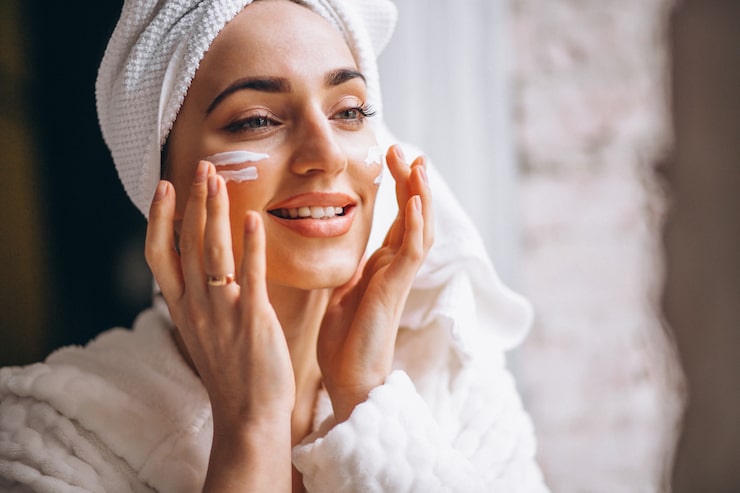
Most people who discover beef tallow for skincare start with the obvious application: using it as a facial moisturizer. They apply it morning and night, notice their skin barrier improving, and stick with that single use case indefinitely. This is fine, and for many people with straightforward dry or sensitive skin, a simple tallow-as-moisturizer routine delivers everything they need. But tallow’s unique properties make it far more versatile than most animal fat skeptics would expect. Its biocompatible fatty acid profile, its ability to penetrate without occluding, its natural anti-inflammatory compounds, and its resistance to oxidation all help it stand out.
How You Can Take Advantage of Tallow’s Unique Properties
The reality is that tallow balms like Wonderfat can replace or enhance multiple steps in a skincare routine, often performing better than the specialized products designed for those specific purposes. It works as a makeup remover that does not strip the skin, a targeted treatment for problem areas that need extra barrier support, and even as a pre-sunscreen base that improves how mineral formulas sit on the skin. These applications are not gimmicks or creative stretches to justify using tallow everywhere. They are practical uses that leverage what makes tallow effective in the first place: its structural similarity to human sebum and its ability to deliver fat-soluble nutrients exactly where the skin needs them. These are some of the top best uses of tallow.
1. Use Tallow as a First Cleanse to Remove Makeup and Sunscreen Without Stripping
The oil-cleansing method has been a staple in Korean and Japanese skincare for years, based on the principle that oil dissolves oil-based products more effectively than surfactant-based cleansers. Tallow works exceptionally well for this purpose because its fatty acid composition allows it to break down sebum, makeup, and sunscreen without disrupting the skin’s natural lipid barrier the way many commercial cleansing oils do. The process is straightforward: take a small amount of tallow, warm it between your palms until it melts, and massage it over dry skin for 30 to 60 seconds.
2. Layer Tallow Under Mineral Sunscreen to Prevent the Chalky White Cast
Mineral sunscreens containing zinc oxide or titanium dioxide are often the best option for sensitive or reactive skin because they sit on the surface and reflect UV rays rather than absorbing into the skin and potentially causing irritation. The trade-off is that they frequently leave a white, chalky cast that looks unnatural and requires heavy blending to minimize. This happens because mineral filters are physical particles that do not spread smoothly on dry or textured skin, clumping instead of forming an even layer.
3. Use Tallow as a Slug Over Active Ingredients to Reduce Irritation
The skincare term “slugging” refers to applying a thick occlusive layer over your entire routine to lock in moisture and prevent transepidermal water loss overnight. Traditionally, this is done with petroleum jelly, which creates an impermeable barrier that traps hydration but also traps heat, sweat, and any irritation brewing underneath. Tallow offers a more breathable alternative that still provides occlusion but allows the skin to regulate temperature and gas exchange more naturally.
This becomes particularly useful when you are using active ingredients like acids, retinoids, or high-strength vitamin C that can cause irritation or dryness. Instead of applying these actives to bare skin and hoping for the best, or sandwiching them between multiple hydrating layers that may dilute their effectiveness, you can apply the active, let it absorb for 10 to 15 minutes, and then seal everything with a layer of tallow.
4. Apply Tallow to Damp Skin After Showering for Maximum Absorption
One of the most common mistakes people make with tallow is applying it to completely dry skin and then wondering why it feels heavy or takes forever to absorb. Tallow is a fat, and fats integrate into the skin barrier more effectively when there is residual moisture to help emulsify and carry the fatty acids deeper into the stratum corneum. Applying tallow immediately after a shower, while your skin is still slightly damp, transforms the texture and absorption rate entirely.
The water on your skin’s surface acts as a temporary carrier that helps the tallow spread more thinly and evenly, preventing that thick, greasy layer that can sit on top if you apply too much to dry skin. As the water evaporates, it pulls some of the tallow deeper into the skin, allowing the fatty acids to integrate into the lipid matrix rather than just sitting on the surface as an occlusive barrier.
5. Mix a Small Amount of Tallow Into Foundation for a Dewy, Skin-Like Finish
Matte foundations and powders have dominated makeup trends for years, but the shift back toward dewy, glowing skin has left many people struggling to make their existing products work with this aesthetic. Adding a tiny amount of tallow to your foundation before application can transform the finish from flat and cakey to luminous and skin-like, without the greasiness or separation you often get from mixing in facial oils.
The key is proportion. Too much will make the foundation slide off or break apart, but the right amount creates a slightly emollient texture that blends seamlessly into the skin and catches light in a way that mimics natural healthy glow rather than obvious shimmer or oil slick.
6. Use Tallow on Cuticles and Nails to Prevent Dryness and Peeling
Hands and nails take a beating from constant washing, exposure to harsh soaps, and mechanical stress, yet they rarely get the same barrier-focused care that facial skin receives. Cuticles in particular are prone to dryness, cracking, and painful hangnails because the skin there is thin and lacks the sebaceous glands that keep the rest of your hands somewhat protected. Tallow works exceptionally well for cuticle care because it penetrates the nail fold without leaving a greasy residue that transfers to everything you touch.
Apply a small amount of tallow to each cuticle and massage it in thoroughly, pushing the cuticle back gently as you work the product into the nail bed. The fatty acids in tallow help soften the cuticle tissue, making it easier to maintain neat nail beds without aggressive cutting or harsh cuticle removers that damage the skin.
7. Spot Treat Eczema Patches, Rashes, or Irritated Areas for Targeted Barrier Repair
While tallow works well as an all-over moisturizer, its real strength for compromised skin lies in targeted application to specific problem areas that need intensive barrier repair. Eczema patches, contact dermatitis, irritation from new skincare products, or even the dry, flaky skin that develops around the nose during a cold all respond well to concentrated tallow treatment because the fatty acid profile directly addresses the lipid deficiency that characterizes barrier dysfunction.
When the skin barrier is compromised, whether from inflammation, mechanical damage, or allergen exposure, the intercellular lipid matrix that holds skin cells together becomes depleted, particularly in ceramides and cholesterol. Tallow provides the raw materials needed to rebuild this matrix: palmitic acid and stearic acid, which are precursors to ceramide synthesis, along with cholesterol naturally present in animal fats.
Why These Uses Work Better Than You Would Expect
The reason tallow performs well across all these different applications comes down to its fundamental compatibility with human skin biology. Unlike plant oils, which may contain fatty acids our skin does not naturally produce, or synthetic emollients designed for sensory elegance rather than biological function, tallow’s composition mirrors what our skin already knows how to process and integrate. This means it can step into multiple roles without the formulation gymnastics usually required to make a single ingredient work across different contexts. That might include cleanser, moisturizer, occlusive barrier, makeup adjuster, and targeted treatment.
Each of these uses leverages a specific property of tallow: its ability to dissolve oil-soluble compounds for cleansing, its emollient slip for makeup blending, its occlusive capacity without complete impermeability for slugging, its barrier-identical fatty acids for repair. Understanding what tallow actually does at a biochemical level, rather than just thinking of it as “animal fat moisturizer,” opens up possibilities for integration into a routine that go far beyond the basic twice-daily face application most people default to. The key is experimentation within reason. That includes trying one or two of these techniques to see how your skin responds, rather than overhauling your entire routine at once and losing track of what actually works.
Key Takeaways
The versatility of tallow becomes even more accessible with products like Wonderfat, which refines the traditionally heavy texture of pure tallow into a whipped formula that spreads easily, absorbs faster, and works seamlessly across all these applications without requiring aggressive rubbing or extended wait times. The addition of complementary ingredients like Manuka honey and jojoba oil enhances tallow’s natural benefits while maintaining the biological compatibility that makes it effective in the first place. Whether you are using it as a makeup remover, a sunscreen primer, a slug over actives, or a targeted treatment for problem areas, Wonderfat delivers the core advantages of grass-fed tallow in a form that actually fits into modern routines without the texture compromises that make many people abandon pure tallow despite its benefits.
The most important takeaway is that tallow’s effectiveness is not limited to a single use case. Understanding how it functions allows you to deploy it strategically wherever your skin needs lipid support, moisture retention, or inflammation management. This is not about using tallow for everything just because it is trendy or natural. It’s about recognizing that when a product genuinely works with your skin’s biology rather than against it, the applications multiply naturally because the fundamental mechanism remains beneficial regardless of context.